
Children
A welcoming, age-appropriate environment for spoken English, creativity, play, teamwork, and confidence.
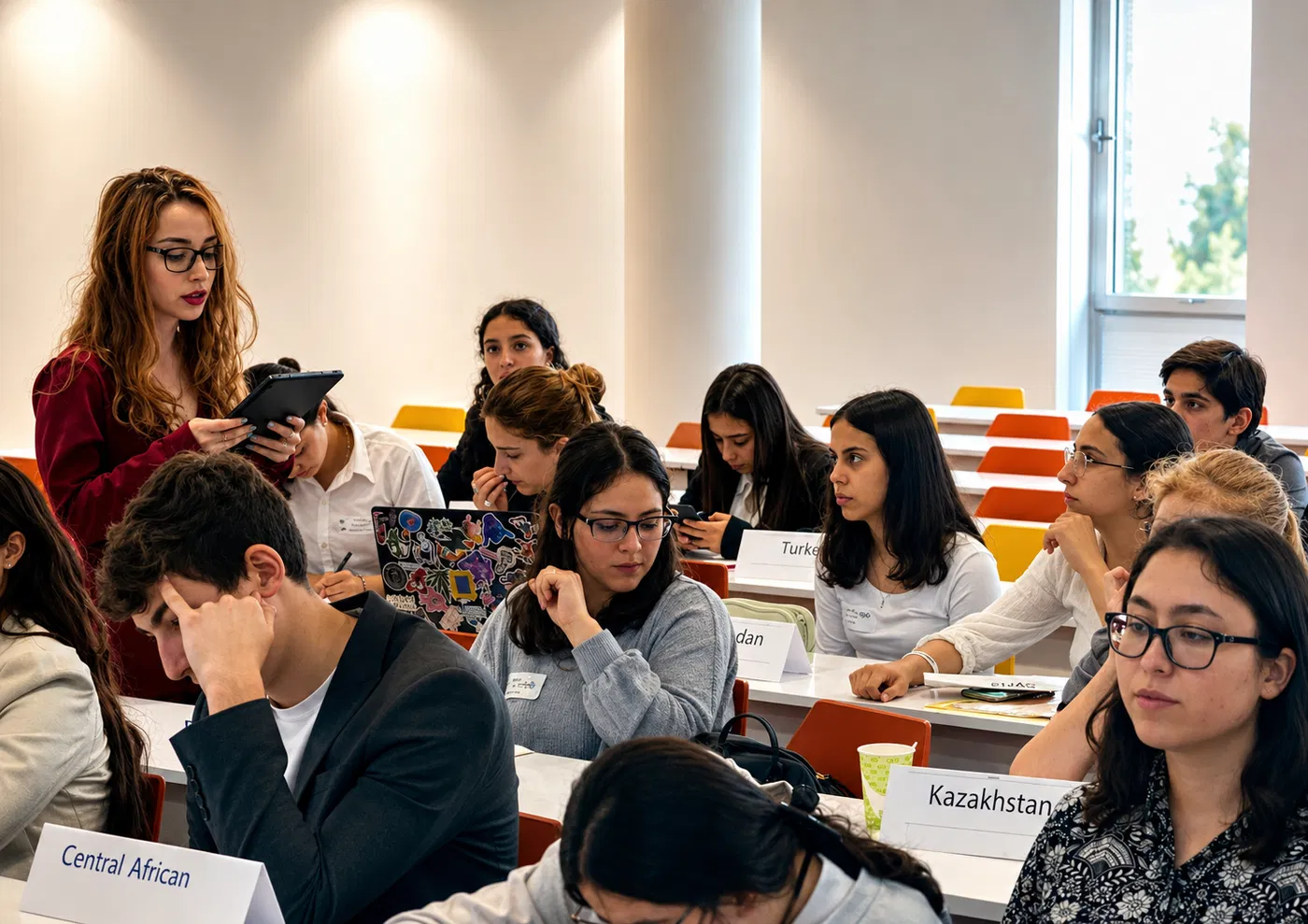
Speak. Play. Grow. Afterschool English for children through games, stories, projects, performance, and conversation.
Developing initiativeEnglish Club is a developing afterschool framework that helps children use English through games, stories, projects, performance, conversation, and teamwork. The emphasis is on active participation and confidence: children learn by speaking, building, imagining, solving problems, and sharing ideas in a supportive group.
The program is intended to complement classroom learning rather than reproduce another school lesson. Vocabulary and grammar appear in context, while repeated speaking routines help children become comfortable using English for friendship, creativity, play, and future learning.
Who it serves: Children, parents, schools, community centers, municipalities, and educators seeking an engaging afterschool English framework.
Build confidence and practical spoken English through playful, creative, and project-based learning.
Children who see English as a living tool for friendship, creativity, learning, and future opportunity.
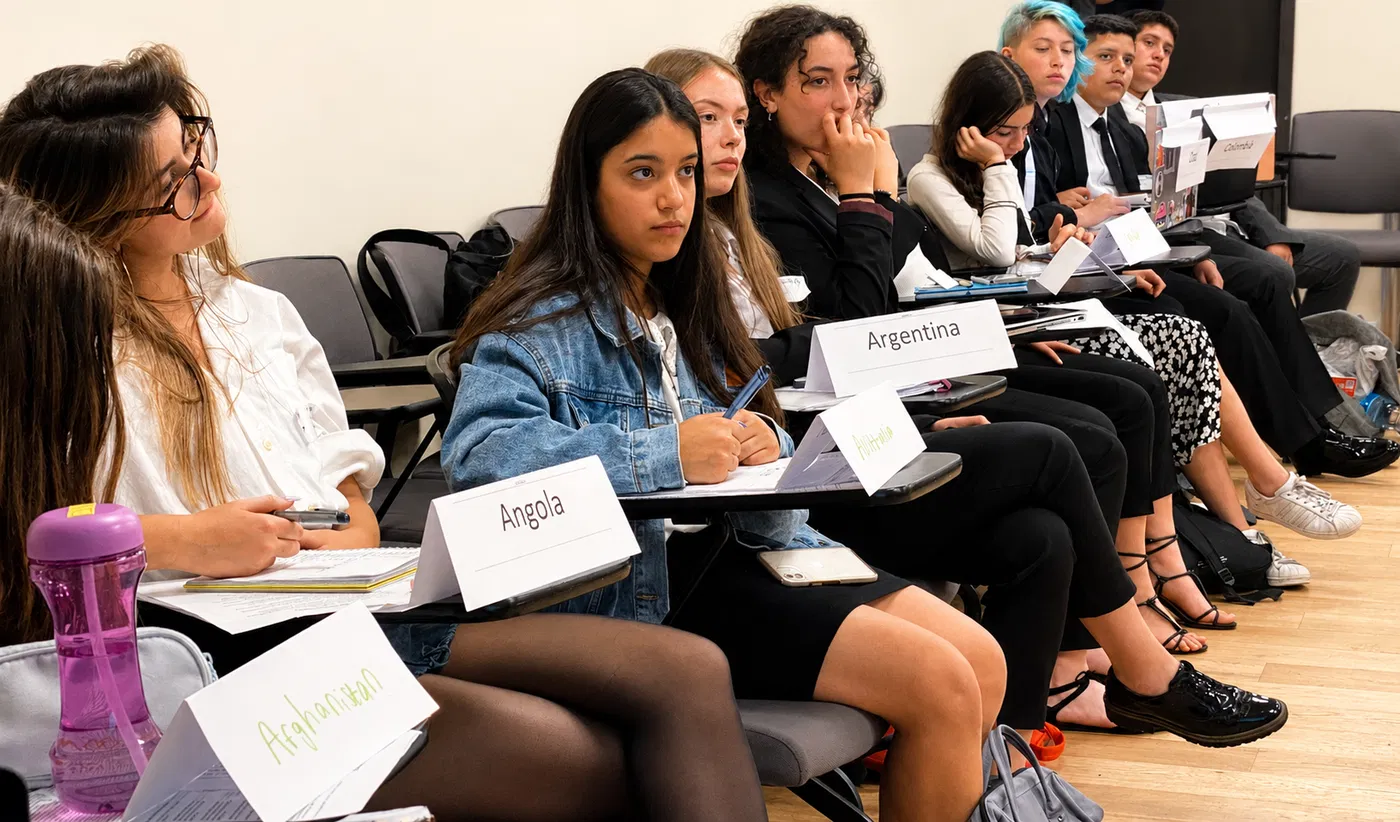
Children, parents, schools, community centers, municipalities, and educators seeking an engaging afterschool English framework.
A welcoming, age-appropriate environment for spoken English, creativity, play, teamwork, and confidence.
A consistent afterschool framework that combines supervision, enrichment, communication, and visible projects.
A ready structure for clubs, enrichment hours, holiday programs, and extended-day learning.
A scalable English-enrichment option that can connect schools, community centers, educators, and families.
Conversation games
Stories and role play
Creative projects
Songs and performance
Team challenges
Vocabulary in context
Weekly speaking routines
Parent, school, and municipality participation pathways
Use a familiar speaking routine, movement activity, or game to reactivate previous language.
Introduce vocabulary and expressions through a story, role play, mystery, team task, or real-life theme.
Build a project, solve a problem, rehearse a performance, or complete a collaborative English challenge.
Present, perform, converse, celebrate progress, and give families a simple connection to the week’s learning.
A recurring school or community-center group built around conversation and projects.
A program integrated into enrichment hours, extended-day frameworks, or special English activities.
Theme-based camps, project days, performances, and speaking challenges.
Coordinated delivery across participating schools or community centers with shared educator preparation.

A child may know vocabulary from school but avoid speaking because every mistake feels public. English Club creates repeated low-pressure opportunities to play a role, tell a story, complete a challenge, work with a partner, and present a small project—allowing confidence to grow before perfection.
This describes the intended participant or partner journey and should not be presented as an identified testimonial unless permission and source records are confirmed.
English Club is a developing initiative. Its public reporting should distinguish pilot goals from verified enrollment, attendance, confidence, satisfaction, progression, and educator data.
Register interest as a parent, request a school or community-center club, explore a municipal pilot, or apply as an educator.
Contact the teamGroups should be organized by age, school stage, and English level. Final grade ranges should be confirmed for each pilot or partner.
The primary focus is spoken confidence, play, projects, stories, performance, and communication. It can reinforce school learning but is not designed as a worksheet-based tutoring program.
The proposed model is recurring weekly or afterschool delivery, with additional workshop, holiday, and intensive formats available for partners.
English Club creates an earlier speaking and confidence pathway; older students can progress into debate, Model United Nations, negotiation, public speaking, and leadership.
Educators may be recruited and prepared through Academy Staffing or approved partner pathways. Screening, training, safeguarding, and role requirements must be confirmed before delivery.
Only with the required parent, guardian, school, municipal, and organizational consent. Participation must never depend on permission to use a child’s image.